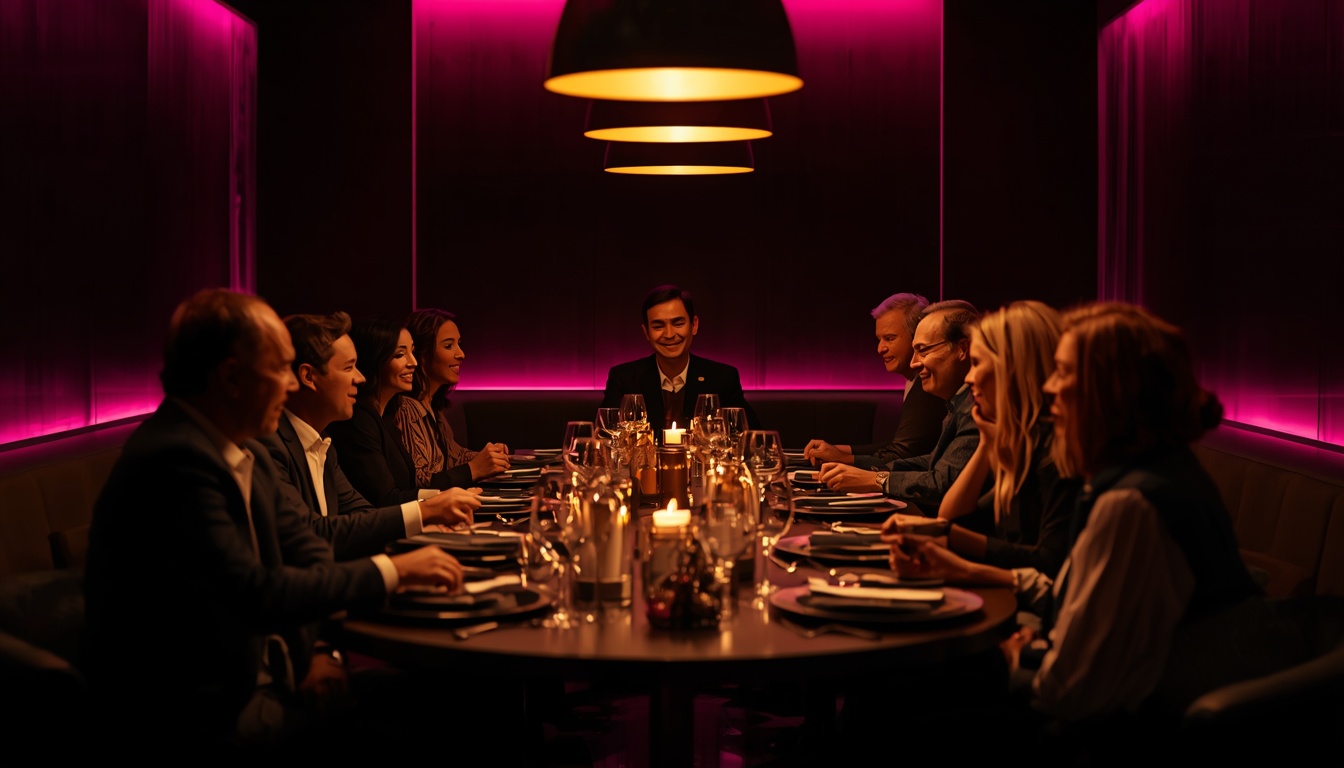

A Guide to Selecting C-Suite Dinner Venues in 2026 Choosing the right venue is no longer a logistical task — it’s a strategic decision that shapes the entire executive experience. Download Executive Events Brochure Mastering the High-Stakes Table: A Guide to Selecting C-Suite Dinner Venues in 2026 In the current B2B landscape, digital-first engagement has reached a saturation point. While webinars and virtual roundtables remain essential for broad reach, the most critical business decisions of 2026 are returning to the physical table. For senior leadership, an invitation to a dinner isn’t just about the meal; it is an investment of their most limited resource: time. Selecting the right C-Suite dinner venues is no longer just a logistical task—it is a strategic imperative. The environment you choose dictates the tone of the conversation, the level of psychological safety felt by participants, and ultimately, the ROI of your executive engagement. The Psychology of Space: Why Venue Choice Dictates Strategy How Environment Shapes Executive Behaviour and Decision‑Making When hosting senior stakeholders, C-Suite Dinner Venues act as a silent moderator. In 2026, data suggests that “intentional seclusion” has replaced “grandeur” as the primary requirement for executive events. An effective private dining room for business must balance two conflicting needs: prestige and discretion. C-suite individuals are often wary of public-facing environments where sensitive industry shifts might be overheard. In 2026, the venue is the strategy. The right executive dinner setting doesn’t just host a conversation — it shapes the decisions that follow Convene X Events Book a Call with The Events Team Creating a Private Dining Room for Business Breakthroughs Designing Spaces That Unlock Senior‑Level Thinking Acoustic Privacy: High-end venues are now marketed specifically on their “acoustic footprint”. For a strategy session, look for rooms with heavy soft furnishings or dedicated soundproofing to ensure the conversation stays within the four walls. The Power of the Circular Table: Research into leadership dynamics shows that circular seating arrangements reduce perceived hierarchy, fostering more collaborative and authentic dialogue than traditional rectangular “boardroom style” setups. Choosing a venue that feels like a “safe harbor” allows for the kind of vulnerability that leads to genuine business partnerships. If your venue feels like a standard restaurant, your conversation will likely stay at a standard level. Global Trends in Executive Networking: What 2026 Leaders Expect How Senior Leaders Are Redefining Connection in 2026 The expectations for executive networking have shifted dramatically.According to the Amex GBT 2026 Global Meetings & Events Forecast, industry optimism has hit a five-year high, with a significant shift toward ‘in-person only’ formats for senior leadership meetings to ensure authentic engagement.” To stay competitive in the landscape of private executive dinners, your strategy must reflect these modern expectations. From “Dinner” to “Curated Experience” Why Modern Leaders Expect More Than a Meal — They Expect Meaning Hyper-Personalization: This goes beyond dietary requirements. It involves curated seating charts based on shared professional challenges and personalized “briefing packs” waiting at the table. The “Slow-Event” Movement: 2026 has seen a rise in the “slow-event” trend, where the focus is on a single, deep-dive topic over four courses, rather than a rushed networking session. Sustainability as Standard: Executives now expect venues to demonstrate zero-waste credentials and locally sourced menus. A venue’s ESG (Environmental, Social, and Governance) rating is now a common checkbox for corporate event planners. Top C-Suite Dinner Venues: Navigating Modern Logistics The Practical Considerations Behind Exceptional Executive Dinners When planning, your executive dinner ideas should be grounded in the logistical reality of your attendees. If you are targeting London-based leaders, your search for conference venues in Soho or similar central hubs must account for the “Tuesday-Wednesday Peak” that dominates the corporate calendar. The Mid-Week Power Window Data indicates that Tuesday and Wednesday evenings remain the “Power Window” for executive attendance. Monday is often reserved for internal alignment, while late-week events compete with travel and family commitments. Transport Micro-Proximity: A venue must be within a short walk of a major transit hub or offer seamless “valet-to-table” service. Any friction in the arrival process creates a negative mental state before the first drink is poured. Tech-Invisible Integration: If your dinner includes a presentation or a virtual roundtable discussion element, the technology must be invisible until needed. Hidden screens and integrated table mics are the hallmarks of a true 2026 C-suite venue. Measuring ROI: Beyond the Handshake The Metrics That Matter in High‑Level Relationship Building The final step in a successful executive dinner strategy is the follow-up. A common mistake is treating the dinner as the finish line. In reality, the dinner is the activation point for a longer-term relationship. This is especially vital as organizations look for more structured ways to facilitate executive roundtables and ongoing peer collaboration. The Conversion Path Designing a Journey That Builds Trust and Commercial Momentum To justify the investment in high-end C-Suite dinner venues, you must track the “Relationship Velocity” post-event. The 24-Hour Rule: A personalized summary of the evening’s key insights should reach attendees within 24 hours to reinforce the value of their time spent. The Next-Step Anchor: Every attendee should leave with a clear “micro-commitment”—whether that is a follow-up 1-to-1 or an invitation to a future executive webinar session to scale the conversation. As we move deeper into 2026, the human element of the private executive dinner will only become more valuable. In an era of automated outreach, the physical presence of a peer group in a world-class venue remains the ultimate brand differentiator. Featured London Venues for C‑Suite Dinners in 2026 Curated, High‑Impact Spaces for Senior‑Level Engagement The Soho Hotel Richmond Mews London W1D 3DH A discreet, design‑led Firmdale boutique retreat in the heart of Soho, ideal for intimate executive dinners and senior leadership gatherings in a quietly luxurious, thoughtfully composed setting. Soho Hotel Claridge’s Brook Street, Mayfair, London W1K 4HR One of London’s most celebrated hotels, offering intimate private dining in the heart of Mayfair — where Art Deco elegance and flawless discretion create the perfect conditions for senior-level conversation Claridge’s The Ned 27 Poultry, London EC2R 8AJ A grand Art Deco landmark in … Continue reading “A Guide to Selecting C-Suite Dinner Venues in 2026”
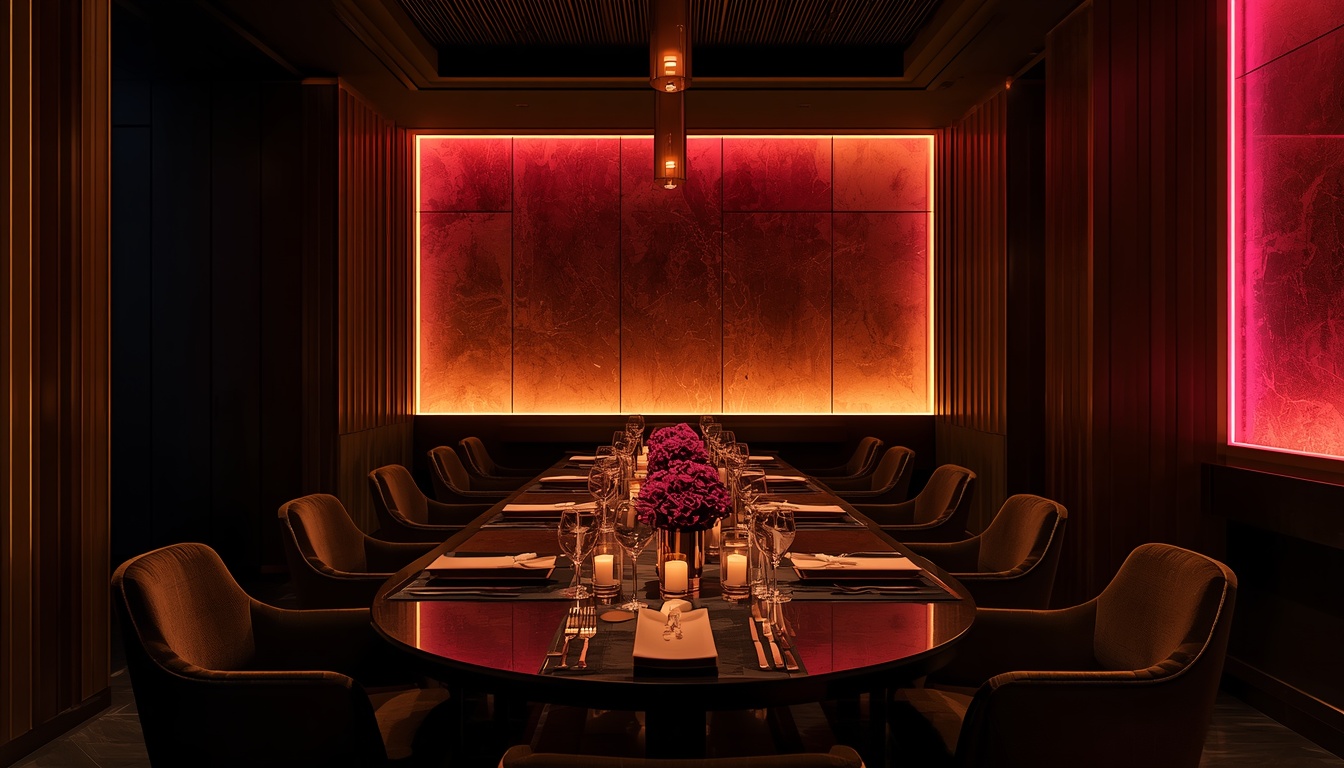
How to host an Executive Dinner – Quick guide Hosting an executive dinner is about precision, not formality. When every detail is intentional, the conversation becomes deeper, more valuable, and far more memorable. Run an Executive Dinner Essential Steps for Delivering a High‑Impact Leadership Dinner Executive dinners are often grouped alongside general networking events, yet the two formats serve fundamentally different purposes. While networking focuses on volume, visibility, and broad reach, executive dinners prioritise relevance, discretion, and depth of conversation. For senior decision‑makers, this distinction is critical. Their time is limited, their expectations are high, and meaningful engagement rarely happens in crowded, noisy, or performative environments. Executive dinners create the opposite dynamic — a focused, invitation‑only setting where senior leaders can exchange perspectives, explore strategic topics, and build trusted relationships without distraction. Why Networking Stops Working at Senior Level Why High‑Performers Need Depth, Not Volume, in Their Connections Traditional networking events are often built around scale. Large guest lists, open formats, and informal interaction may create opportunities for introductions, but they rarely support meaningful conversation at senior level. For experienced leaders, these environments can feel inefficient and unfocused. Conversations are short, context is shallow, and the pressure to circulate limits any opportunity to explore challenges in real depth. The result is activity without substance — movement without meaningful engagement. As responsibilities increase, senior leaders naturally begin to prioritise fewer, more relevant interactions over broad exposure. They look for environments that respect their time, support thoughtful discussion, and allow space for genuine exchange. This shift is exactly why executive dinners have become a preferred format for high‑value B2B engagement. By 2026, executive dinners aren’t about the menu — they’re about momentum. The right venue turns a conversation into a commitment. Convene X Events Team Book a call with events team How Executive Dinners Change the Dynamic Why the Right Setting Unlocks More Honest, High‑Value Dialogue An executive dinner is intentionally designed to remove the mechanics of traditional networking. Group sizes are small, attendance is curated, and the environment is private, allowing the focus to shift from visibility to meaningful exchange. There are no pitches, presentations, or expectations to perform — the format is built to encourage calm, unforced conversation. This creates space for genuine peer‑level discussion. Leaders engage with others who share similar responsibilities and pressures, enabling conversations to move quickly beyond surface‑level introductions and into context, experience, and perspective. The environment supports depth rather than volume, giving senior attendees the freedom to think, reflect, and contribute without distraction. Unlike networking events, executive dinners are not about who you meet — but what you are able to discuss, explore, and understand alongside peers who operate at the same level. Why Senior Leaders Prefer Invitation-Only Formats The Psychology Behind High‑Performing Leaders Choosing Closed Rooms Invitation‑only environments signal intent. Attendance is based on relevance, not availability, which immediately changes the tone of the room. Participants arrive knowing the discussion will be focused, the audience aligned, and the environment designed for meaningful senior‑level exchange. This is why executive dinners sit alongside formats such as virtual roundtables rather than general networking. Both are built to support thoughtful dialogue, professional discretion, and high‑value conversation without sales pressure or unnecessary noise. These formats give senior leaders the space to think, contribute, and engage with clarity. For organisations seeking senior‑level engagement, understanding this distinction is essential. In many cases, the most effective starting point is not an event at all — but a focused conversation to determine the right environment, the right audience, and the right format for meaningful executive engagement. A More Intentional Approach to Senior‑Level Engagement Designing Engagements That Prioritise Depth Over Volume Senior‑level engagement works best when the environment is intentional, the audience is aligned, and the conversation is allowed to develop without noise or pressure. Executive dinners, virtual roundtables, and invitation‑only formats create the conditions for this — focused settings where leaders can think clearly, exchange perspectives, and build meaningful professional relationships. As organisations place greater value on relevance over reach, these formats have become essential tools for shaping high‑quality dialogue at senior level. At Convene X, our role is to design and deliver these environments with precision, ensuring every detail supports clarity, discretion, and depth. Whether the objective is awareness, alignment, or early‑stage relationship building, the most effective starting point is always a conversation — one that helps determine the right format, the right audience, and the right approach for meaningful executive engagement. Featured London Venues for C‑Suite Dinners in 2026 Curated, High‑Impact Spaces for Senior‑Level Engagement Searcys Horizon 22 58th Floor, 22 Bishopsgate, London EC2N 4BQ Horizon 22 offers one of the most striking private dining settings in London — a space designed for senior‑level conversation Searcys Horizon 22 Haymarket Hotel 1 Suffolk Place, London SW1Y 4HX A bold, design‑driven hotel in the heart of St James’s, offering refined private spaces ideal for high‑level executive dinners and senior‑leader gatherings. Haymarket Hotel Covent Garden Hotel 10 Monmouth Street, London WC2H 9HB Covent Garden Hotel is a refined, design‑led retreat ideal for executive dinners, senior leadership meetings, and discreet conversations. Covent Garden
Senior leaders don’t want to be presented to — they want to be engaged. Discover why conversation‑led formats create deeper insight, stronger trust, and more meaningful executive dialogue than traditional presentations ever can.
Why Executive Dinners Lead Senior B2B Engagement A premium executive dinner isn’t about the meal — it’s about the intention behind every detail. Request to Join The Shift Behind How to Host an Executive Dinner in 2026 To Host a Brand-led Executive Dinners in 2026 requires a more intentional, curated approach than ever before. Over the past several years, senior decision‑makers have steadily moved away from large conferences, expos, and high‑volume networking events. The shift accelerated through 2024–2025 and is now fully established in 2026: leaders want fewer events, but better ones. They prioritise environments where the conversation is relevant, the group is curated, and the agenda is free from noise. Executive dinners have become the natural response to this shift. They offer a private, invitation‑only setting where senior leaders can engage in meaningful dialogue without the distractions of a large event. Instead of navigating exhibition halls or sitting through broad keynote sessions, attendees join a small group of peers who share similar challenges, responsibilities, and strategic priorities. This creates a level of relevance and depth that traditional events simply cannot replicate. For organisations looking to build trust, position thought leadership, or open strategic conversations in 2026, the executive dinner format has become the most effective route to senior engagement. Why Senior Leaders Prefer Curated, High‑Quality Conversations How Curated Conversations Deliver the Insight Executives Actually Want Senior leaders are not short of invitations. They receive countless requests for meetings, webinars, and events — but they accept very few. What they consistently respond to is quality: quality of the environment, quality of the conversation, and quality of the people in the room. Executive dinners deliver this by design. They are intentionally small, typically 8–12 attendees, which ensures that every voice is heard and every perspective contributes to the discussion. There is no stage, no presentation deck, and no hierarchy. Instead, the format encourages open, peer‑level conversation where leaders can share insights, test ideas, and explore challenges in a trusted environment. This is why executive dinners outperform other formats when the goal is to build relationships rather than generate leads. They create space for genuine dialogue — the kind that senior leaders rarely get in their day‑to‑day roles. In 2026, with increasing pressure on time and attention, this depth of conversation has become even more valuable. Executive dinners turn brands from vendors into facilitators of senior‑level insight. No slides. No pitch. Just relevance, trust, and conversations that open doors no campaign ever could. Convene X Team Tweet What Makes a Premium Executive Dinner Work in 2026 Why Precision, Curation, and Subtlety Define Premium Experiences As the format becomes more popular, the difference between a standard dinner and a premium executive dinner is becoming more pronounced. Senior leaders can immediately tell when an event has been designed with intention — and when it hasn’t. A premium executive dinner requires: A curated guest list with genuine peer alignment A clear, relevant discussion theme that resonates at senior level A discreet, professional environment free from sales pressure Thoughtful pacing that allows the conversation to develop naturally A host who understands senior‑level dynamics and knows when to step forward and when to step back In 2026, the brands that succeed with executive dinners will be those that prioritise quality over scale, relevance over reach, and conversation over content. Senior leaders don’t need more events — they need better ones. The Future of Senior Engagement Is Built Around Intention Why 2026 Rewards Brands That Prioritise Depth Over Volume The organisations winning senior attention in 2026 are those that understand the shift: leaders no longer want more events — they want meaningful ones. Executive dinners succeed because they remove noise, reduce friction, and create space for the conversations that matter. When brands design with intention, they demonstrate respect for senior leaders’ time, priorities, and expectations. This intentionality becomes a differentiator. In a landscape where most outreach feels generic, a curated dinner signals precision, relevance, and strategic clarity. It shows that the host understands the pressures executives face and has built an environment tailored to how they think, decide, and engage. That level of alignment is rare — and it’s exactly why the format continues to dominate Executive Dinners Are Becoming a Core Part of Senior‑Level Strategy Why the Format Will Continue to Shape High‑Value B2B Relationships Executive dinners are no longer a supplementary tactic — they are becoming a central pillar of senior‑level engagement strategies. As leaders demand more relevance and less noise, brands that invest in intimate, insight‑driven experiences will build stronger relationships, faster trust, and more meaningful commercial pathways than those relying on traditional event models. The brands that thrive in 2026 will be the ones that treat executive dinners not as hospitality, but as strategic assets. When executed with subtlety, precision, and genuine respect for the audience, these dinners become catalysts for long‑term partnerships. They create the kind of senior‑level momentum that no campaign, webinar, or conference can replicate — and that’s exactly why they’re reshaping the future of B2B engagement.
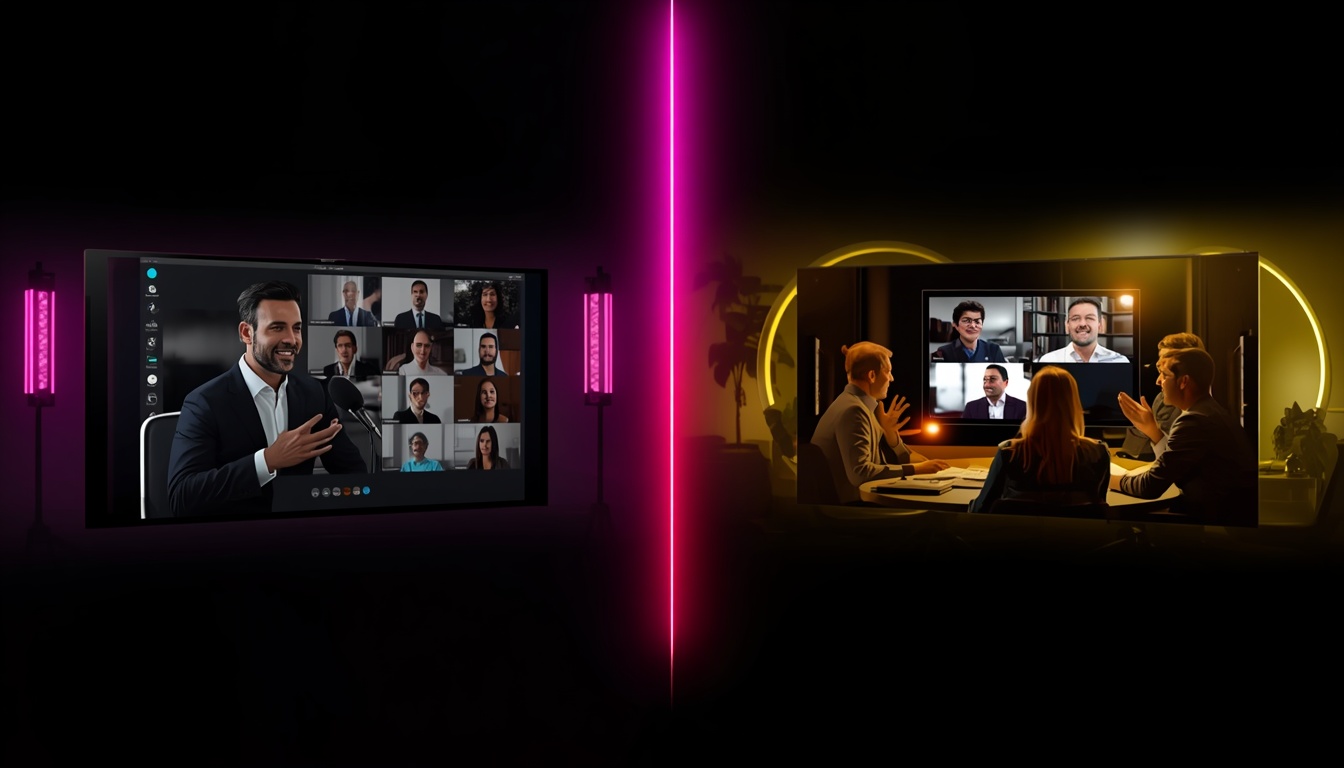
Executive webinars and virtual roundtables both play a powerful role in senior‑level engagement — but they deliver value in very different ways. Webinars provide structured, high‑signal insight at scale, while roundtables create intimate, peer‑driven conversations that uncover deeper challenges and opportunities. When used together, they form a strategic sequence that moves leaders from awareness to meaningful dialogue, and ultimately, to commercial opportunity.
Preparing speakers properly is the key to delivering a high‑impact B2B executive webinar. Senior decision‑makers expect clarity, confidence, and insight — and even experienced presenters need guidance to meet that standard. This guide shows how to prepare speakers for executive‑level webinars so your session feels polished, credible, and worth every minute of your audience’s time.