
What Makes Engaging Webinars For Senior Decision-Makers

What Makes Engaging Webinars For Senior Decision-Makers Members of Convene X don’t just belong, they build, create, and elevate together. Request to Join The Strategic Priorities That Shape Executive Engagement What makes engaging webinars for senior decision-makers? Senior decision‑makers are some of the hardest audiences to engage. They’re time‑poor, outcome‑driven, and selective about where they invest attention. A webinar aimed at executives can’t rely on generic content, long presentations, or passive delivery. It needs to feel intentional, premium, and worth their time from the first minute. In this guide, we break down what actually makes a webinar engaging for senior leaders, and how organisations can design sessions that drive real participation, insight, and follow‑up action. Start With a Problem Worth Solving Identifying the Strategic Challenges That Matter Most to Executives Executives don’t attend webinars for education alone, they attend to gain clarity on a strategic challenge. The most engaging webinars begin with a sharp, relevant problem statement that speaks directly to their priorities. This could be: Navigating market uncertainty Improving operational efficiency Responding to regulatory change Leveraging emerging technology Strengthening customer retention The key is specificity. A vague theme like “The Future of AI” won’t attract senior leaders. But “How AI Will Reshape Operational Costs in 2026” will. When the topic is anchored in a real business challenge, executives immediately recognise the value. Engaging webinars aren’t built on slides, they’re built on speakers who deliver clarity, pace, and insight with absolute precision. Convene X Events Book a Call to Run an Event Deliver Insight, Not Information Why Executives Value Depth Over General Knowledge Executives don’t want surface‑level content. They want insight, distilled, strategic, and actionable. The most engaging webinars for senior audiences share three characteristics: Expert‑led delivery Executives expect to hear from people who have done the work, not just talked about it. Panels featuring industry leaders, analysts, or practitioners outperform single‑presenter formats. Data‑driven storytelling Charts, benchmarks, and real‑world examples help senior leaders contextualise the problem and understand the implications for their organisation. Clear takeaways Executives value frameworks, models, and decision‑making tools they can apply immediately. A strong webinar should leave them thinking: “This changes how we approach this internally.” Webinar Formats Choosing Webinar Formats That Keep Executives Actively Engaged Senior leaders don’t want to sit through a 45‑minute monologue. They want interaction, but only when it’s meaningful. The most effective webinar formats for executive audiences include: Moderated panel discussions: Panels create dynamic conversation and allow multiple viewpoints. A skilled moderator keeps the pace sharp and the insights focused. Fireside chats A conversational, interview‑style format feels more intimate and authentic, making it ideal for senior‑level audiences. Short, structured segments Breaking the webinar into 8, 10 minute sections maintains attention and prevents cognitive fatigue. Curated Q&A Executives appreciate Q&A when it’s filtered, concise, and relevant, not when it derails the session. The goal is to create a format that respects their time while encouraging participation without forcing it. Create a Premium Experience From Start to Finish The Production Standards Executives Expect From a High‑Quality Webinar Engagement isn’t just about content, it’s about the overall experience. Senior decision‑makers expect polish, clarity, and professionalism. That means: A clean, branded visual environment High‑quality audio and video A confident, well‑prepared host Smooth transitions between segments Clear instructions for joining, participating, and following up The experience should feel effortless. When a webinar is well‑produced, executives stay longer, engage more, and are far more likely to convert into follow‑up conversations. This is where a specialist partner like Convene X elevates the entire process, from format design to technical delivery, ensuring every detail aligns with senior‑level expectations. Explore Continue with Convene X Invitation-only executive dinners, virtual roundtables and webinars for senior leaders in the UK and US. Explore the formats, or tell us the room you want to be in. Executive webinars All executive events Join the network
How long should a B2B Executive Webinar be?
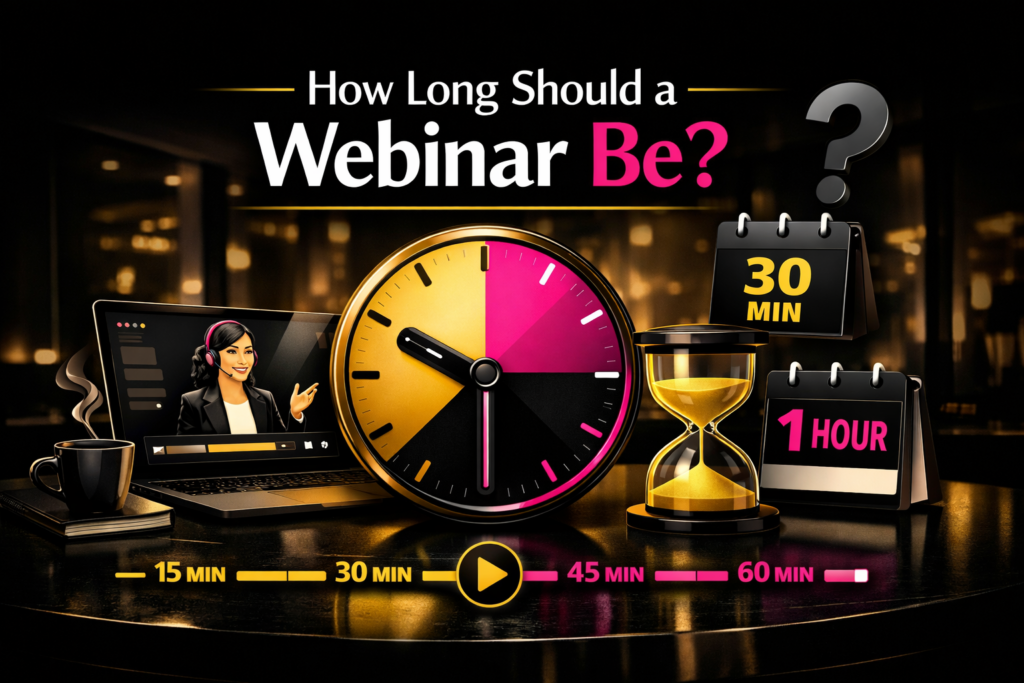
A B2B executive webinar performs best when it’s concise, high‑value, and designed around the way senior leaders consume insight. Discover why the ideal length is 30–45 minutes, and how the right structure can maximise attendance, engagement, and conversion.
What is the Best Webinar Format for Executive Audiences?
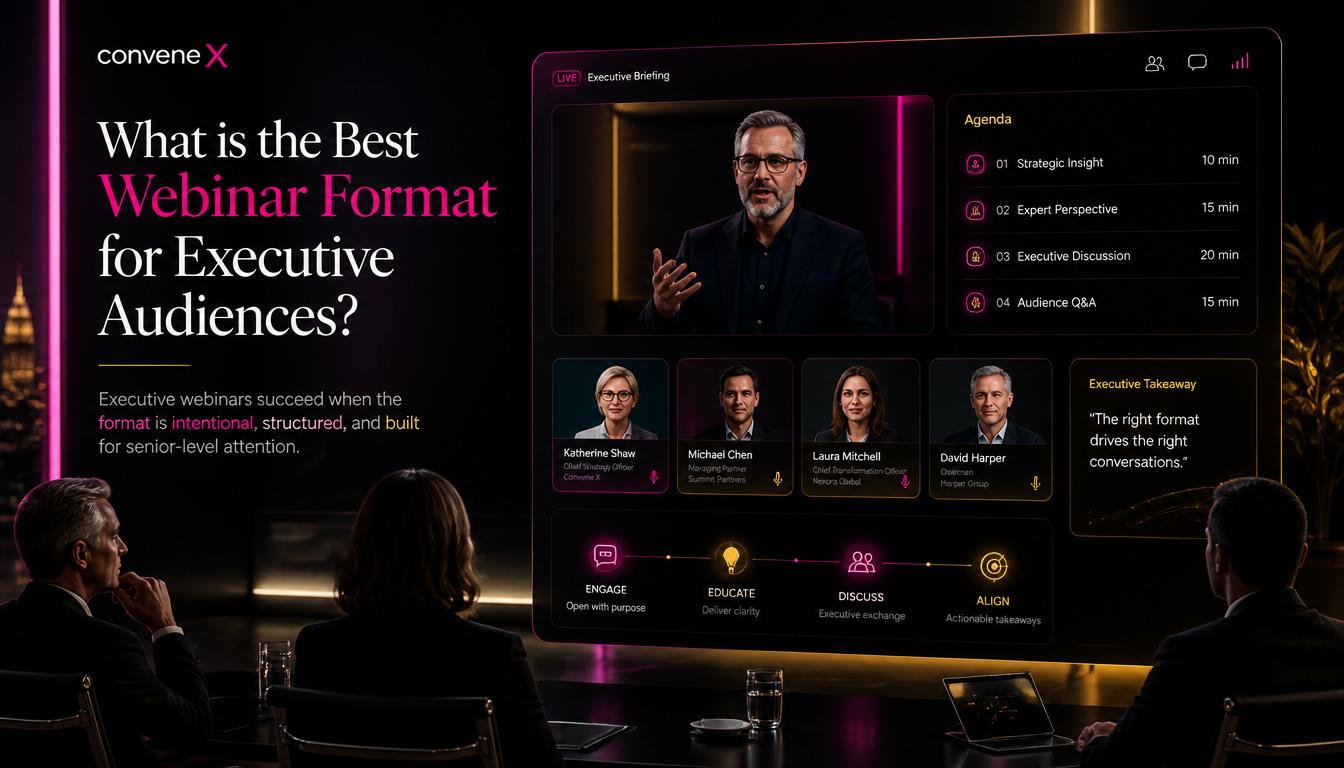
Not all webinar formats are equal. This guide breaks down the best structures for executive audiences, helping you choose the format that drives real engagement at senior level.
Why Invitation-Only Events Create Better Executive Conversations
At senior levels, attention is a finite resource. Leaders are invited to countless events, forums, and discussions, yet many decline not because the topic lacks merit
A Guide to Selecting C-Suite Dinner Venues in 2026
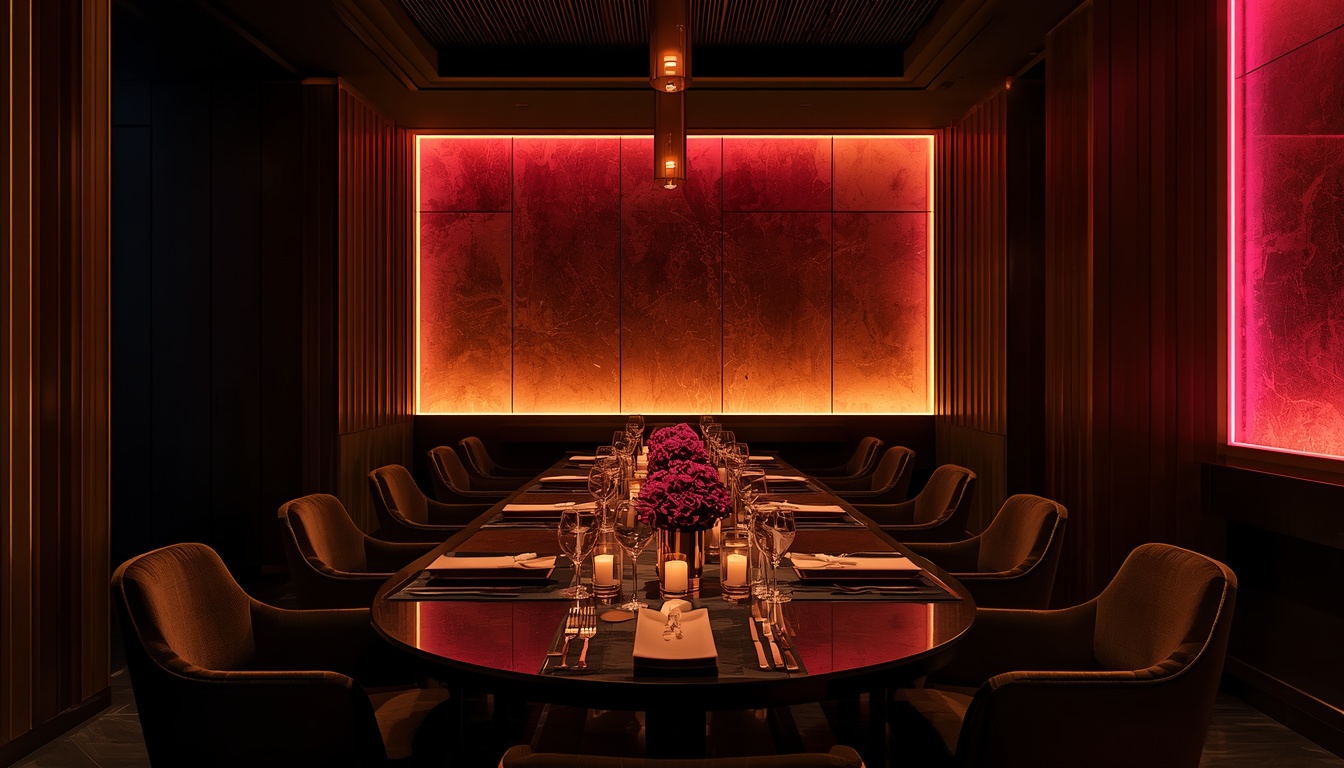
A Guide to Selecting C-Suite Dinner Venues in 2026 Choosing the right venue is no longer a logistical task, it’s a strategic decision that shapes the entire executive experience. Mastering the High-Stakes Table: A Guide to Selecting C-Suite Dinner Venues in 2026 In the current B2B landscape, digital-first engagement has reached a saturation point. While webinars and virtual roundtables remain essential for broad reach, the most critical business decisions of 2026 are returning to the physical table. For senior leadership, an invitation to a dinner isn’t just about the meal; it is an investment of their most limited resource: time. Selecting the right C-Suite dinner venues is no longer just a logistical task, it is a strategic imperative. The environment you choose dictates the tone of the conversation, the level of psychological safety felt by participants, and ultimately, the ROI of your executive engagement. The Psychology of Space: Why Venue Choice Dictates Strategy How Environment Shapes Executive Behaviour and Decision‑Making When hosting senior stakeholders, C-Suite Dinner Venues act as a silent moderator. In 2026, data suggests that “intentional seclusion” has replaced “grandeur” as the primary requirement for executive events. An effective private dining room for business must balance two conflicting needs: prestige and discretion. C-suite individuals are often wary of public-facing environments where sensitive industry shifts might be overheard. In 2026, the venue is the strategy. The right executive dinner setting doesn’t just host a conversation, it shapes the decisions that follow Convene X Events Book a Call with The Events Team Creating a Private Dining Room for Business Breakthroughs Designing Spaces That Unlock Senior‑Level Thinking Acoustic Privacy: High-end venues are now marketed specifically on their “acoustic footprint”. For a strategy session, look for rooms with heavy soft furnishings or dedicated soundproofing to ensure the conversation stays within the four walls. The Power of the Circular Table: Research into leadership dynamics shows that circular seating arrangements reduce perceived hierarchy, fostering more collaborative and authentic dialogue than traditional rectangular “boardroom style” setups. Choosing a venue that feels like a “safe harbor” allows for the kind of vulnerability that leads to genuine business partnerships. If your venue feels like a standard restaurant, your conversation will likely stay at a standard level. Global Trends in Executive Networking: What 2026 Leaders Expect How Senior Leaders Are Redefining Connection in 2026 The expectations for executive networking have shifted dramatically. According to the Amex GBT 2026 Global Meetings & Events Forecast, industry optimism has hit a five-year high, with a significant shift toward ‘in-person only’ formats for senior leadership meetings to ensure authentic engagement. To stay competitive in the landscape of private executive dinners, your strategy must reflect these modern expectations. From “Dinner” to “Curated Experience” Why Modern Leaders Expect More Than a Meal, They Expect Meaning Hyper-Personalisation: This goes beyond dietary requirements. It involves curated seating charts based on shared professional challenges and personalised “briefing packs” waiting at the table. The “Slow-Event” Movement: 2026 has seen a rise in the “slow-event” trend, where the focus is on a single, deep-dive topic over four courses, rather than a rushed networking session. Sustainability as Standard: Executives now expect venues to demonstrate zero-waste credentials and locally sourced menus. A venue’s ESG (Environmental, Social, and Governance) rating is now a common checkbox for corporate event planners. Top C-Suite Dinner Venues: Navigating Modern Logistics The Practical Considerations Behind Exceptional Executive Dinners When planning, your executive dinner ideas should be grounded in the logistical reality of your attendees. If you are targeting London-based leaders, your search for conference venues in Soho or similar central hubs must account for the “Tuesday-Wednesday Peak” that dominates the corporate calendar. The Mid-Week Power Window Data indicates that Tuesday and Wednesday evenings remain the “Power Window” for executive attendance. Monday is often reserved for internal alignment, while late-week events compete with travel and family commitments. Transport Micro-Proximity: A venue must be within a short walk of a major transit hub or offer seamless “valet-to-table” service. Any friction in the arrival process creates a negative mental state before the first drink is poured. Tech-Invisible Integration: If your dinner includes a presentation or a virtual roundtable discussion element, the technology must be invisible until needed. Hidden screens and integrated table mics are the hallmarks of a true 2026 C-suite venue. Measuring ROI: Beyond the Handshake The Metrics That Matter in High‑Level Relationship Building The final step in a successful executive dinner strategy is the follow-up. A common mistake is treating the dinner as the finish line. In reality, the dinner is the activation point for a longer-term relationship. This is especially vital as organisations look for more structured ways to facilitate executive roundtables and ongoing peer collaboration. The Conversion Path Designing a Journey That Builds Trust and Commercial Momentum To justify the investment in high-end C-Suite dinner venues, you must track the “Relationship Velocity” post-event. The 24-Hour Rule: A personalised summary of the evening’s key insights should reach attendees within 24 hours to reinforce the value of their time spent. The Next-Step Anchor: Every attendee should leave with a clear “micro-commitment”, whether that is a follow-up 1-to-1 or an invitation to a future executive webinar session to scale the conversation. As we move deeper into 2026, the human element of the private executive dinner will only become more valuable. In an era of automated outreach, the physical presence of a peer group in a world-class venue remains the ultimate brand differentiator. Featured London Venues for C‑Suite Dinners in 2026 Curated, High‑Impact Spaces for Senior‑Level Engagement The Soho Hotel Richmond Mews London W1D 3DH A Firmdale hotel in a quiet Soho mews, with bold Kit Kemp interiors and private rooms a few steps from the West End. Soho Hotel Claridge’s Brook Street, Mayfair, London W1K 4HR One of London’s most celebrated hotels, offering intimate private dining in the heart of Mayfair, where Art Deco elegance and flawless discretion create the perfect conditions for senior-level conversation Claridge’s The Ned 27 Poultry, London EC2R 8AJ A grand Art Deco landmark in the heart of the City, ideal for executive dinners
Executive Webinars vs Virtual Roundtables
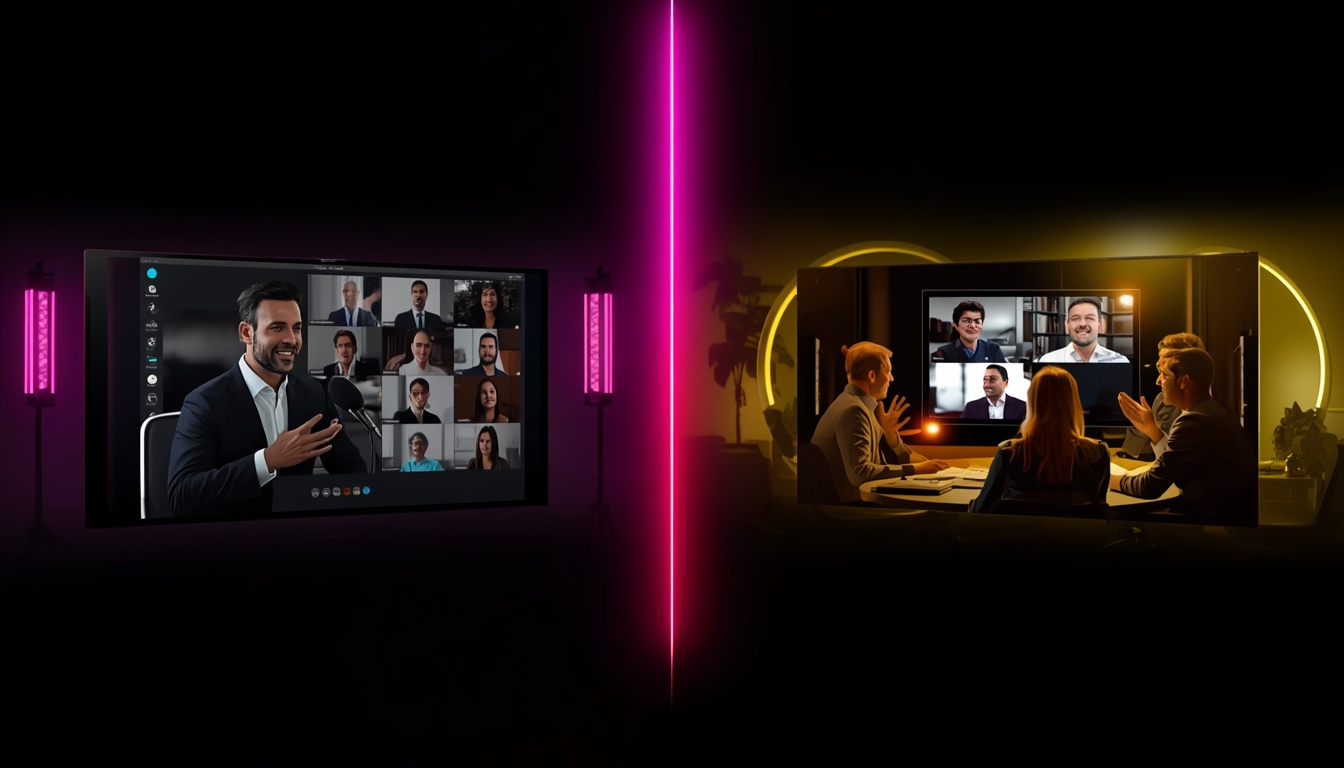
Executive webinars and virtual roundtables both play a powerful role in senior‑level engagement, but they deliver value in very different ways. Webinars provide structured, high‑signal insight at scale, while roundtables create intimate, peer‑driven conversations that uncover deeper challenges and opportunities. When used together, they form a strategic sequence that moves leaders from awareness to meaningful dialogue, and ultimately, to commercial opportunity.
Webinar Speaker Preparation – How to Guide
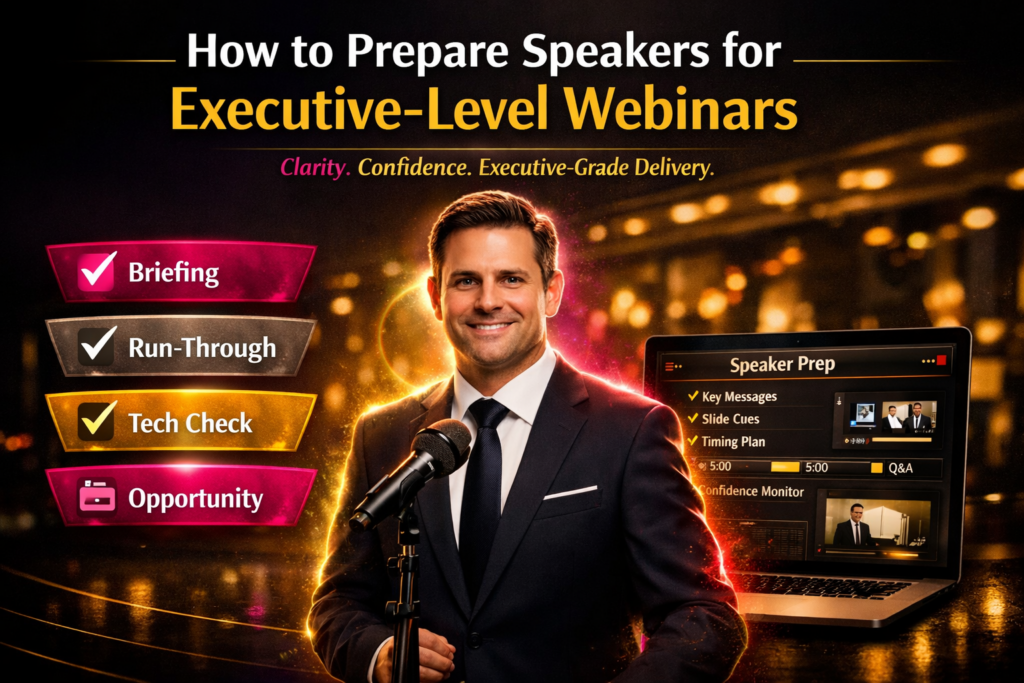
Preparing speakers properly is the key to delivering a high‑impact B2B executive webinar. Senior decision‑makers expect clarity, confidence, and insight, and even experienced presenters need guidance to meet that standard. This guide shows how to prepare speakers for executive‑level webinars so your session feels polished, credible, and worth every minute of your audience’s time.