 Written by Convene X Team
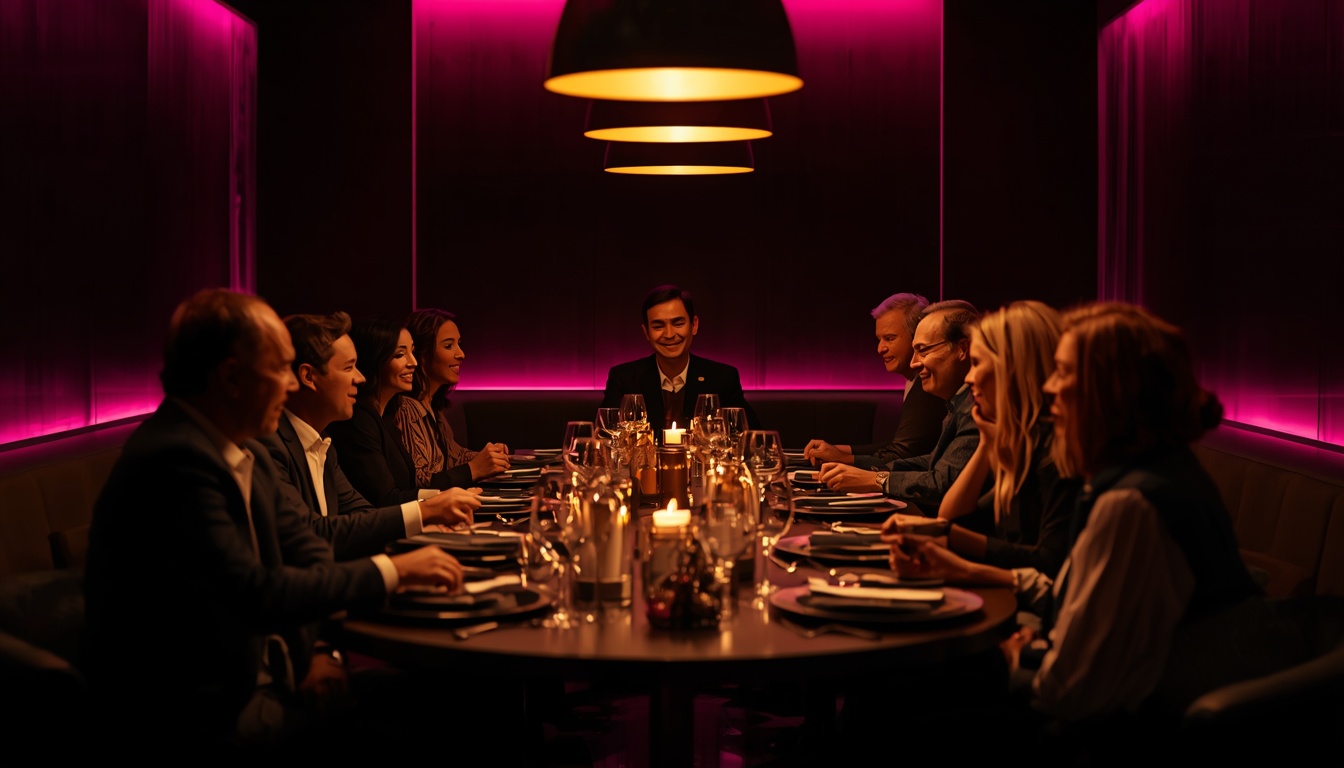
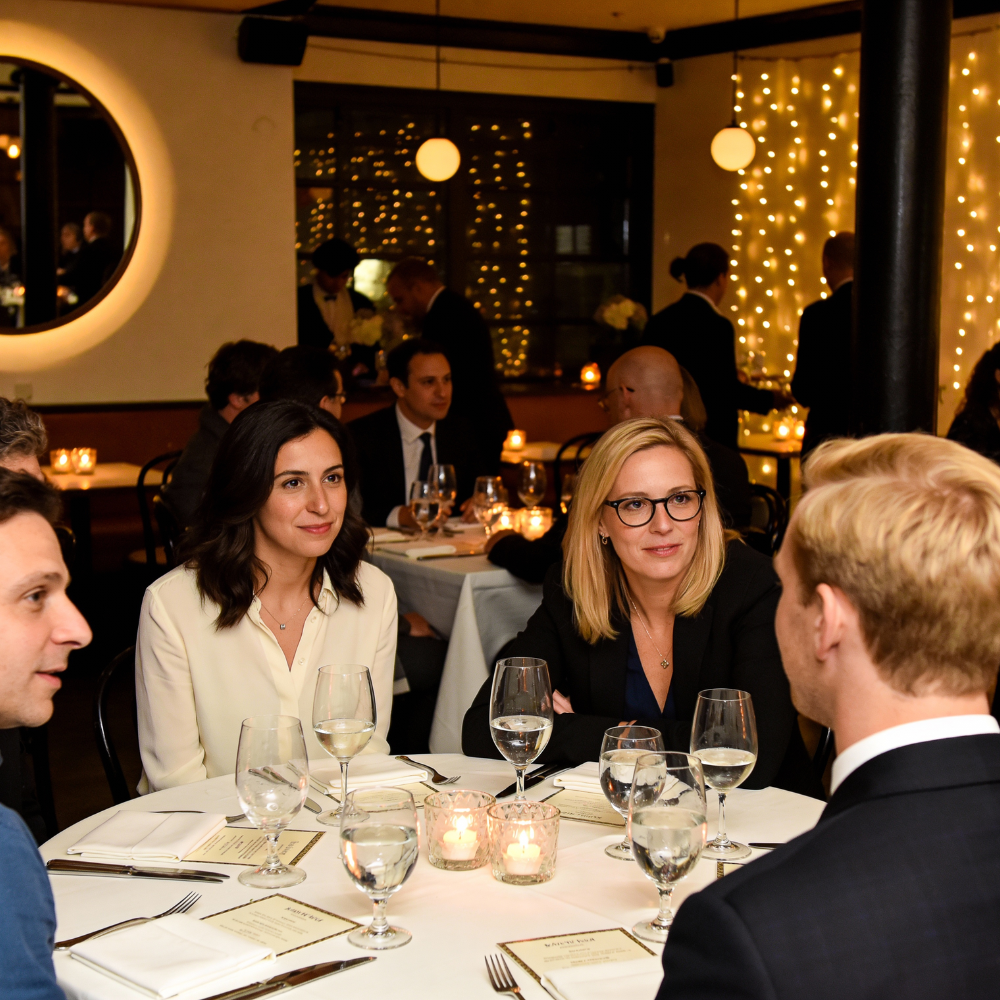
Best Practices: How to Create a Senior‑Level Experience That Delivers Real Value Executive dinners are one of the most effective ways to engage senior decision‑makers — but only when they are designed with intention, structure, and a clear understanding of what leaders value. These dinners are not about performance or spectacle. They are about relevance, alignment, and creating a curated environment that supports meaningful conversation. Whether you’re hosting your first executive dinner or refining an existing programme, these best practices will help you deliver an experience that feels composed, senior‑appropriate, and genuinely valuable. Start With a Clear Strategic Purpose Defining the Outcome Before You Design the Experience Every high‑value executive dinner begins with absolute clarity of intent. Senior leaders do not give up an evening for generic networking, brand promotion, or surface‑level conversation. They attend when the topic speaks directly to their responsibilities, pressures, and strategic priorities — when the discussion feels relevant, timely, and worthy of their attention. Clarity is what signals that the dinner has purpose, direction, and respect for the seniority of the people in the room. To establish that clarity, define three core elements: What the dinner helps participants explore — the strategic theme, challenge, or opportunity that anchors the conversation. What outcome you want them to leave with — a shift in perspective, a shared understanding, or a new line of thinking. How the discussion supports your broader engagement strategy — the role this dinner plays in building relationships, shaping future dialogue, or informing your wider programme. When these elements are clearly articulated, the purpose becomes the foundation for every decision that follows — from who you invite, to how you frame the conversation, to the tone and structure of the evening itself. Clarity ensures the dinner feels intentional, senior‑appropriate, and aligned with the value leaders expect from a well‑designed executive experience. In 2026, the venue is the strategy. The right executive dinner setting doesn’t just host a conversation — it shapes the decisions that follow Alex Hartman Tweet Curate the Right Guests: Quality Over Quantity Building a Guest List That Drives Meaningful Executive Dialogue Curating the right group of attendees is one of the most important best practices in executive dinner design. Senior leaders engage most effectively when they are surrounded by peers who share similar levels of responsibility, face comparable challenges, and understand the strategic context of the discussion. The alignment of the room directly influences the depth, pace, and quality of the conversation. The ideal group size is typically 8–12 senior participants. This range allows for balanced contribution, natural flow, and genuine peer‑level exchange. When the group becomes too large, the conversation fragments; when it is too small, the dynamic can feel narrow or overly intimate. The goal is to create a table where every attendee feels they belong and can contribute meaningfully. Equally important is the selection process. Invitations should be discreet, personalised, and purposeful. Senior leaders appreciate being chosen for their perspective, not targeted for their budget. When the guest list is curated with care, the dinner becomes a space where trust builds quickly and conversation flows naturally — the foundation of a high‑value executive experience. Design the Conversation: Structure Without Performance Creating a Guided Flow That Feels Natural, Not Scripted A successful executive dinner is not a free‑flowing chat, nor is it a formal presentation. It sits in the middle — structured enough to stay focused, but relaxed enough to feel natural and senior‑appropriate. Leaders want conversations that are relevant, composed, and anchored in real strategic value. A proven rhythm for the evening includes: Arrival and informal welcome to set the tone Opening context from the host to frame the purpose A guided conversation anchored around two or three themes A natural close with clear next steps This structure ensures the discussion remains aligned with the purpose without feeling rigid or over‑engineered. Avoid anything that resembles a pitch, performance, or panel discussion. Senior leaders value authenticity and relevance, not theatrics. A strong moderator or host is essential. Their role is to guide the flow, balance contributions, and ensure the discussion stays on track. They should be present but not dominant — shaping the conversation without overshadowing it. When done well, the structure becomes invisible, allowing the group to focus entirely on meaningful dialogue. Create an Environment That Supports Trust Creating Conditions That Encourage Honest, High‑Value Dialogue The environment of an executive dinner is just as important as the content being discussed. Senior leaders respond best to settings that feel calm, private, and intentionally designed — spaces that signal respect for their time and create the right conditions for meaningful dialogue. The physical environment should support conversation at every stage, never compete with it or distract from it. When the room feels composed and thoughtfully curated, participants naturally settle into a more open, reflective mindset. To achieve this, prioritise elements that subtly elevate the experience: Soft, warm lighting that creates a composed, intimate atmosphere without feeling theatrical. Low noise levels that support clarity, focus, and uninterrupted flow. A table layout that encourages eye contact, balanced participation, and a sense of shared purpose. Discreet, well‑timed service that enhances the evening without drawing attention or breaking the rhythm of the conversation. A high‑quality, well‑paced menu that feels premium but never distracts from the discussion or requires excessive attention. Individually, these details may seem small, but together they shape how participants feel — and how openly they engage. Trust is built not only through the content of the conversation, but through the emotional cues the environment provides. When the setting is intentional and unobtrusive, senior leaders relax, contribute more freely, and connect more deeply with both the topic and the people around the table. This is where the true value of an executive dinner emerges. Personalise the Executive Dinner Experience Without Over‑Engineering It Personalisation That Enhances the Dinner Without Becoming a Distraction Senior leaders appreciate thoughtful touches, but they have little patience for theatrics, gimmicks, or unnecessary embellishment. What resonates most at this level is subtlety — the sense that every detail has been considered with intention, not added for show. The most effective … Continue reading “Executive Dinner Best Practices”