
How to Host an Executive Dinner for Senior Leaders: A Practical Guide
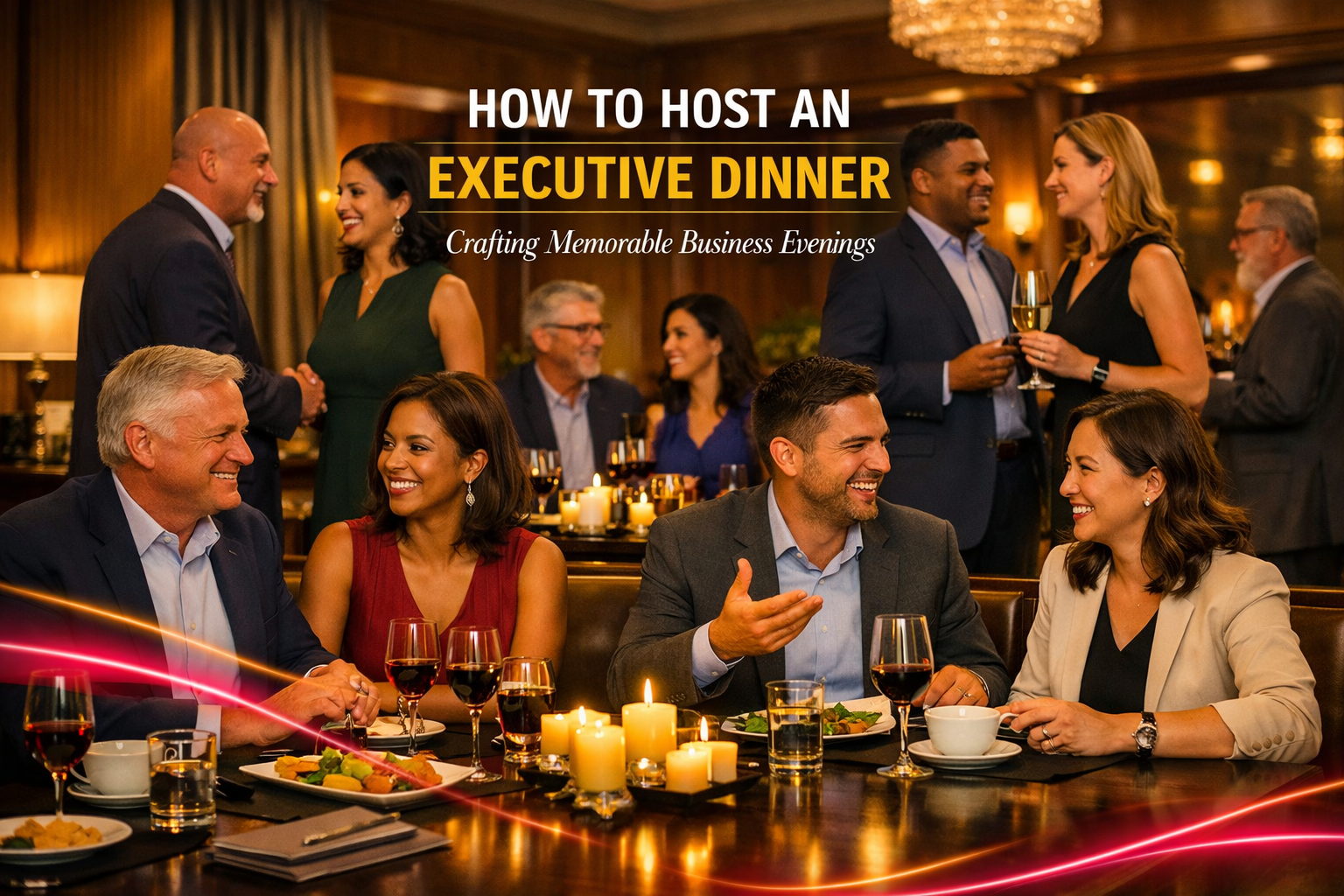
Steps That Turn a Standard Dinner Into a Premium Leadership Experience Hosting an executive dinner is one of the most effective ways to engage senior decision‑makers, but only when it’s done with intention, structure, and a clear understanding of what senior leaders value. Unlike traditional corporate events, these dinners are not about scale, spectacle, or performance. They are about relevance, alignment, and creating an environment where meaningful conversation can unfold naturally. If you’re exploring how to host an executive dinner for senior leaders, this guide breaks down the essential elements that separate high‑value dinners from forgettable ones. Start With Purpose: Why This Dinner Matters How Clear Intent Shapes the Entire Senior‑Leader Experience Before you think about venues, menus, or guest lists, you need absolute clarity on the purpose of the dinner. Senior leaders do not attend events for generic networking or surface‑level conversation. They attend when the topic speaks directly to their responsibilities, pressures, and strategic priorities. Begin by defining the core outcome: What should participants leave knowing, understanding, or considering? What challenge or opportunity does this dinner help them explore? How does it support your broader engagement strategy? This purpose becomes the anchor for every decision that follows, from who you invite to how you structure the conversation. A strong executive dinner is not a social gathering; it is a curated environment designed to create value for the people in the room. When the purpose is clear, the dinner feels intentional, relevant, and worthy of senior‑level attention. When it isn’t, the evening risks becoming another unfocused corporate meal that delivers little impact. Every great executive dinner starts with purpose. When you’re clear on why the dinner matters, everything else, the guest list, the conversation, the outcomes, falls into place. Purpose isn’t a detail. It’s the strategy. Convene X Team Tweet Curate the Right Guests: Quality Over Quantity The Power of a Carefully Curated, Peer‑Aligned Guest List One of the most important steps in how to host an executive dinner for senior leaders is curating the right group of attendees. The power of these dinners comes from the alignment of the people in the room. Senior leaders engage best when they are surrounded by peers who share similar levels of responsibility, face comparable challenges, and understand the context of the discussion. The ideal group size is typically 8, 12 participants. This allows for balanced contribution, natural flow, and genuine peer‑level exchange. Avoid the temptation to overfill the table, more people rarely equals more value. Instead, focus on creating a room where every attendee feels they belong and can contribute meaningfully. Equally important is the selection process. Invitations should be discreet, personalised, and purposeful. Senior leaders appreciate being chosen for their perspective, not targeted for their budget. When the guest list is curated with care, the dinner becomes a space where trust builds quickly and conversation flows naturally. Design the Conversation: Structure Without Performance The Art of Guiding Dialogue Without Turning It Into a Presentation A successful executive dinner is not a free‑flowing chat, nor is it a formal presentation. It sits in the middle, structured enough to stay focused, but relaxed enough to feel natural. The best dinners follow a simple rhythm: Arrival & informal welcome Opening context from the host A guided conversation anchored around 2, 3 themes A natural close with clear next steps The conversation should feel composed, calm, and senior‑appropriate. Avoid anything that feels like a pitch, performance, or panel discussion. Senior leaders value authenticity and relevance, not theatrics. A strong moderator or host is essential. Their role is to guide the flow, balance contributions, and ensure the discussion stays aligned with the purpose. They should be present but not dominant, shaping the conversation without overshadowing it. When done well, the structure becomes invisible, allowing the group to focus on meaningful dialogue rather than the mechanics of the evening. Create an Environment That Supports Trust How Thoughtful Design Creates a Space Where Leaders Open Up The environment of an executive dinner is as important as the content. Senior leaders respond best to settings that feel calm, private, and intentionally designed. Choose a venue that supports conversation, not one that overwhelms it. Lighting should be soft, noise levels low, and the table layout conducive to eye contact and natural flow. Small details matter: discreet service, thoughtful pacing, and a menu that doesn’t interrupt the conversation. The goal is to remove friction so participants can focus entirely on the discussion. Trust is built not only through what is said, but through how the environment makes people feel. Finally, close the evening with clarity. Thank participants, reinforce the value of their contribution, and outline what happens next, whether that’s a follow‑up summary, a future dinner, or a private conversation. A strong close signals professionalism and ensures the private executive dinner leaves a lasting impression. Executive Dinners Are Now a Core Part of Senior‑Leader Strategy Why This Format Will Continue to Shape High‑Value Engagement in 2026 and Beyond Executive dinners have moved far beyond hospitality, they have become a strategic channel for brands that want to build meaningful relationships with senior decision‑makers. As leaders continue to prioritise relevance, depth, and curated environments, the brands that invest in intimate, insight‑driven experiences will consistently outperform those relying on traditional event models. The shift is structural, not temporary: senior leaders are choosing fewer engagements, but they are choosing them more carefully. This is why the executive dinner format is becoming a long‑term pillar of senior‑level engagement. It creates the conditions for trust, candour, and strategic alignment, outcomes that are increasingly difficult to achieve through digital channels or large‑scale events. Brands that understand this shift and design dinners with intention will build stronger relationships, accelerate commercial conversations, and position themselves as true partners rather than vendors. In 2026 and beyond, this format isn’t just effective, it’s essential. Explore Continue with Convene X Invitation-only executive dinners, virtual roundtables and webinars for senior leaders in the UK and US. Explore the formats, or tell us the room you want to be in. Private executive dinners London dinner venues Dinners for CFOs
Why Senior Leaders Value Conversation Over Presentation
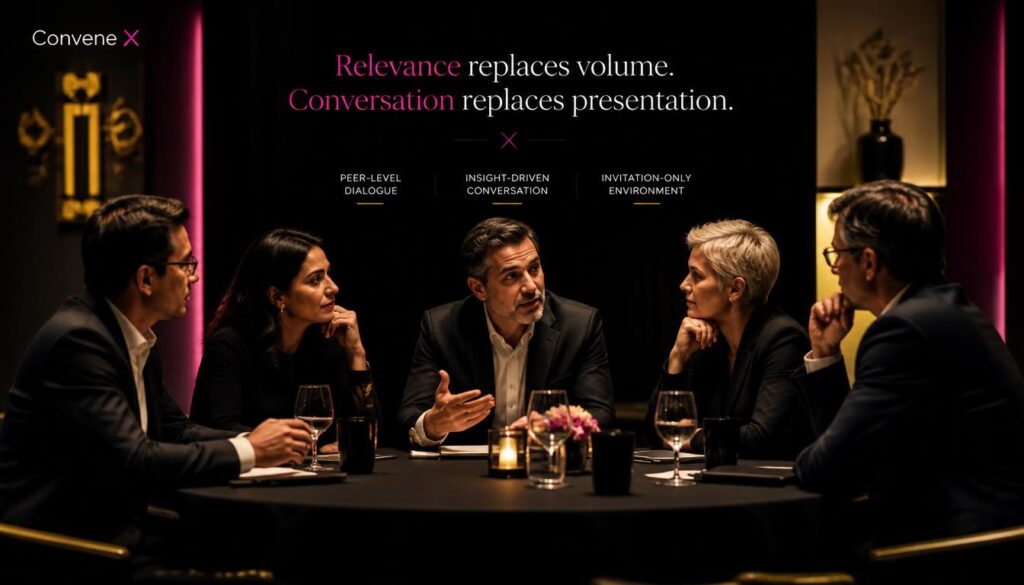
Senior leaders don’t want to be presented to — they want to be engaged. Discover why conversation‑led formats create deeper insight, stronger trust, and more meaningful executive dialogue than traditional presentations ever can.
Why Executive Dinners Lead Senior B2B Engagement
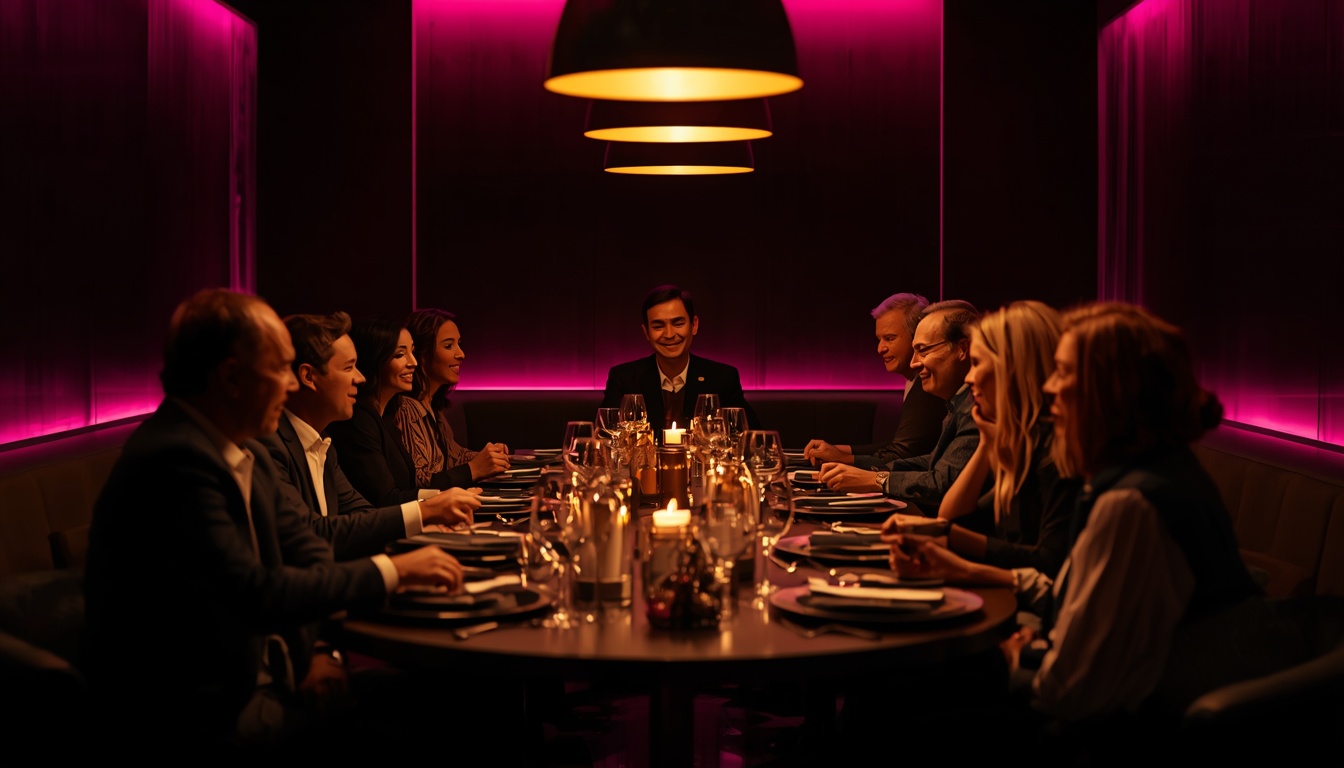
Why Executive Dinners Lead Senior B2B Engagement A premium executive dinner isn’t about the meal, it’s about the intention behind every detail. Request to Join The Shift Behind How to Host an Executive Dinner in 2026 To Host a Brand-led Executive Dinners in 2026 requires a more intentional, curated approach than ever before. Over the past several years, senior decision‑makers have steadily moved away from large conferences, expos, and high‑volume networking events. The shift accelerated through 2024, 2025 and is now fully established in 2026: leaders want fewer events, but better ones. They prioritise environments where the conversation is relevant, the group is curated, and the agenda is free from noise. Executive dinners have become the natural response to this shift. They offer a private, invitation‑only setting where senior leaders can engage in meaningful dialogue without the distractions of a large event. Instead of navigating exhibition halls or sitting through broad keynote sessions, attendees join a small group of peers who share similar challenges, responsibilities, and strategic priorities. This creates a level of relevance and depth that traditional events simply cannot replicate. For organisations looking to build trust, position thought leadership, or open strategic conversations in 2026, the executive dinner format has become the most effective route to senior engagement. Why Senior Leaders Prefer Curated, High‑Quality Conversations How Curated Conversations Deliver the Insight Executives Actually Want Senior leaders are not short of invitations. They receive countless requests for meetings, webinars, and events, but they accept very few. What they consistently respond to is quality: quality of the environment, quality of the conversation, and quality of the people in the room. Executive dinners deliver this by design. They are intentionally small, typically 8, 12 attendees, which ensures that every voice is heard and every perspective contributes to the discussion. There is no stage, no presentation deck, and no hierarchy. Instead, the format encourages open, peer‑level conversation where leaders can share insights, test ideas, and explore challenges in a trusted environment. This is why executive dinners outperform other formats when the goal is to build relationships rather than generate leads. They create space for genuine dialogue, the kind that senior leaders rarely get in their day‑to‑day roles. In 2026, with increasing pressure on time and attention, this depth of conversation has become even more valuable. Executive dinners turn brands from vendors into facilitators of senior‑level insight. No slides. No pitch. Just relevance, trust, and conversations that open doors no campaign ever could. Convene X Team Tweet What Makes a Premium Executive Dinner Work in 2026 Why Precision, Curation, and Subtlety Define Premium Experiences As the format becomes more popular, the difference between a standard dinner and a premium executive dinner is becoming more pronounced. Senior leaders can immediately tell when an event has been designed with intention, and when it hasn’t. A premium executive dinner requires: A curated guest list with genuine peer alignment A clear, relevant discussion theme that resonates at senior level A discreet, professional environment free from sales pressure Thoughtful pacing that allows the conversation to develop naturally A host who understands senior‑level dynamics and knows when to step forward and when to step back In 2026, the brands that succeed with executive dinners will be those that prioritise quality over scale, relevance over reach, and conversation over content. Senior leaders don’t need more events, they need better ones. The Future of Senior Engagement Is Built Around Intention Why 2026 Rewards Brands That Prioritise Depth Over Volume The organisations winning senior attention in 2026 are those that understand the shift: leaders no longer want more events, they want meaningful ones. Executive dinners succeed because they remove noise, reduce friction, and create space for the conversations that matter. When brands design with intention, they demonstrate respect for senior leaders’ time, priorities, and expectations. This intentionality becomes a differentiator. In a landscape where most outreach feels generic, a curated dinner signals precision, relevance, and strategic clarity. It shows that the host understands the pressures executives face and has built an environment tailored to how they think, decide, and engage. That level of alignment is rare, and it’s exactly why the format continues to dominate Executive Dinners Are Becoming a Core Part of Senior‑Level Strategy Why the Format Will Continue to Shape High‑Value B2B Relationships Executive dinners are no longer a supplementary tactic, they are becoming a central pillar of senior‑level engagement strategies. As leaders demand more relevance and less noise, brands that invest in intimate, insight‑driven experiences will build stronger relationships, faster trust, and more meaningful commercial pathways than those relying on traditional event models. The brands that thrive in 2026 will be the ones that treat executive dinners not as hospitality, but as strategic assets. When executed with subtlety, precision, and genuine respect for the audience, these dinners become catalysts for long‑term partnerships. They create the kind of senior‑level momentum that no campaign, webinar, or conference can replicate, and that’s exactly why they’re reshaping the future of B2B engagement. Explore Continue with Convene X Invitation-only executive dinners, virtual roundtables and webinars for senior leaders in the UK and US. Explore the formats, or tell us the room you want to be in. Private executive dinners London dinner venues Dinners for CFOs