
A Guide to Selecting C-Suite Dinner Venues in 2026
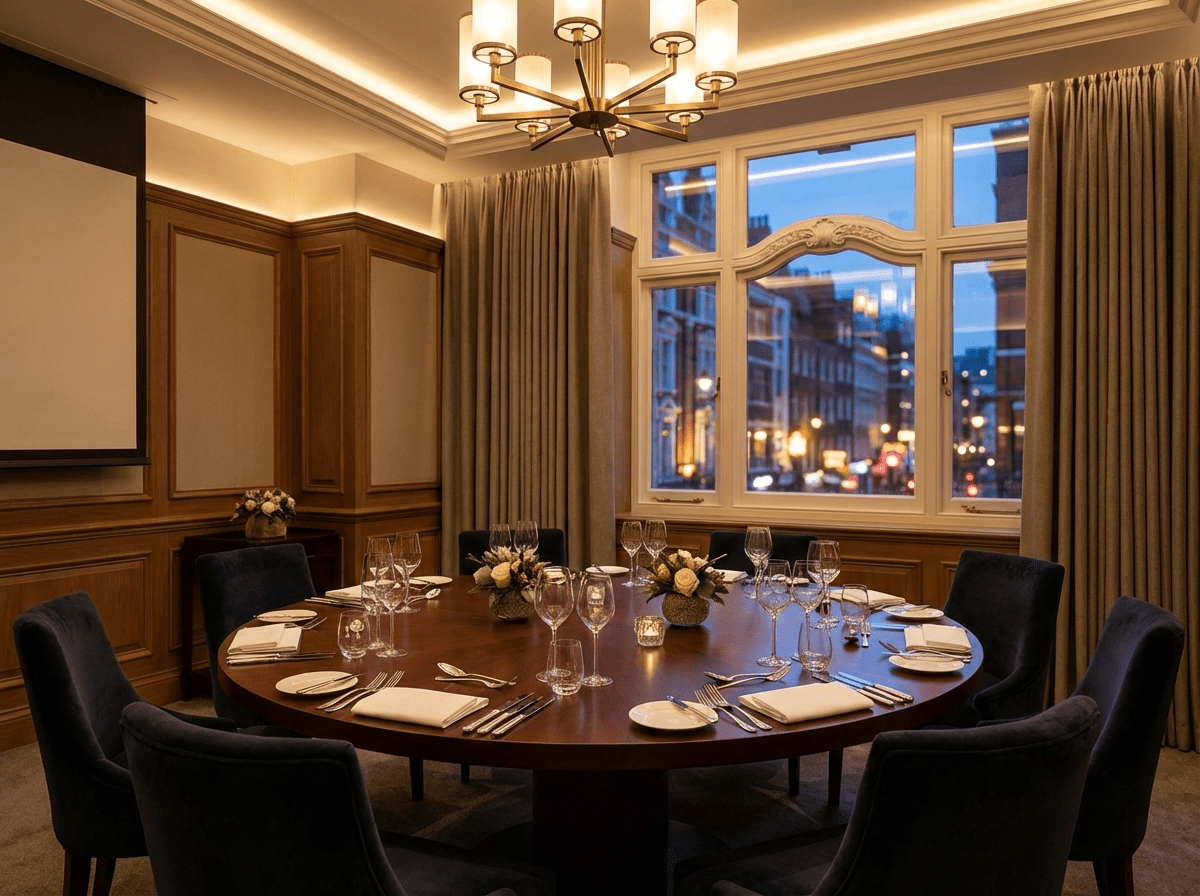
In the current B2B landscape, digital-first engagement has reached a saturation point. While webinars and virtual roundtables remain essential for broad reach, the most critical business decisions of 2026 are returning to the physical table
How to Design Invitation‑Only Virtual Roundtables

Why Invitation-Only Events Create Better Executive Conversations
Why Invitation events work. At senior levels, attention is a finite resource. Leaders are invited to countless events, forums, and discussions, yet many decline not because the topic lacks merit, but because the environment does.
Why Invitation-Only Events Create Better Executive Conversations

Why Invitation-Only Events Create Better Executive Conversations
Why Invitation events work. At senior levels, attention is a finite resource. Leaders are invited to countless events, forums, and discussions, yet many decline not because the topic lacks merit, but because the environment does.
What Makes an Executive Dinner Different
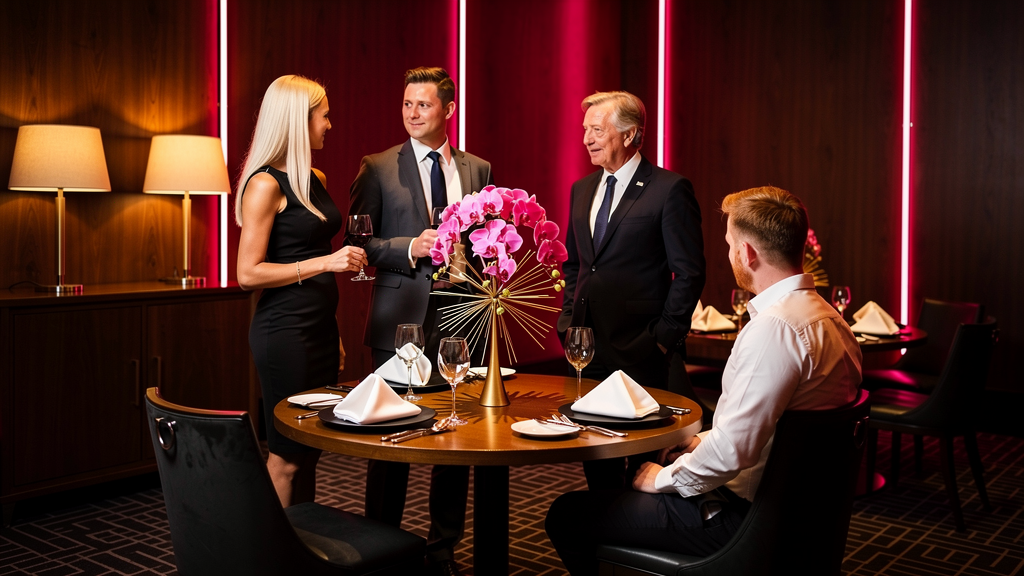
Executive dinners are often grouped alongside general networking events, yet the two formats serve fundamentally different purposes.
Executive Webinars vs Roundtables

Executive Webinars vs Virtual Roundtables: Which Drives Real Engagement Understanding the Core Difference Between the Two Formats While both formats sit under the umbrella of executive engagement, their purpose and structure are fundamentally different. Executive Webinars are designed for structured insight delivery. They work best when you want to share expertise, introduce a perspective, or guide an audience through a strategic theme. The format is presenter‑led, time‑efficient, and ideal for senior leaders who want clarity without the commitment of a long discussion. Executive Virtual Roundtables are built for peer‑to‑peer conversation. They bring together a curated group of senior leaders to share challenges, compare approaches, and explore solutions collaboratively. The value comes from the room — not the presentation. In short: Webinars = insight delivery Roundtables = insight exchange Both are powerful, but they serve different strategic purposes. How Each Format Drives Senior‑Level Engagement Senior leaders engage differently depending on the environment you create. Webinars: Efficient, high‑signal engagement Webinars attract a broader ICP — typically manager level and above — and allow them to engage on their terms. Live chat, Q&A, and polls create interaction without pressure. For many leaders, this is the ideal balance of value and efficiency. Executive Virtual Roundtables: Deep, high‑quality engagement Roundtables deliver fewer attendees but significantly richer interaction. Every participant contributes, every voice is heard, and the conversation is guided by expert moderation. This format builds trust quickly and often uncovers insights that would never surface in a larger setting. Different depth. Different outcomes. Both valuable. When to Choose a Webinar vs a Roundtable Choosing the right format depends on your objective. Choose a Webinar when you want to: Reach a wider senior audience Share a perspective or thought leadership Introduce a new idea, framework, or trend Capture engagement signals at scale Generate early‑stage pipeline interest Choose a Roundtable when you want to: Facilitate deeper conversation Build relationships with a smaller, high‑value ICP Explore challenges collaboratively Position your brand as a strategic partner Create a premium, invite‑only experience Webinars build awareness. Roundtables build relationships. Why Many Organisations Use Both Formats Together The most effective executive engagement strategies don’t choose between webinars and roundtables — they combine them. A typical high‑performing sequence looks like this: Webinar: Introduce the topic, gather interest, capture questions and sentiment. Roundtable: Invite the most engaged attendees into a curated, senior‑level discussion. Follow‑up: Use post‑event insights — attendance, chat, questions, poll results — to guide next steps. This creates a clean, strategic funnel: Insight → Engagement → Conversation → Opportunity When executed well, it becomes one of the most efficient ways to engage senior decision‑makers in 2026
How long should a B2B executive webinar be

How Long Should a B2B Executive Webinar Be for Maximum Attendance and Conversion? What is the ideal length for a B2B Executive webinar Determining the ideal length for a B2B executive webinar is one of the most important strategic decisions you can make. Senior decision‑makers are selective with their time, and the duration of your session directly influences attendance, engagement, and conversion. Too long, and you risk losing your audience. Too short, and you fail to deliver meaningful value. In this guide, we break down the optimal webinar length for executive‑level audiences — and how to structure your session for maximum impact. Why Webinar Length Matters More Than You Think The Attention Patterns of Senior Decision‑Makers Executives operate under intense time pressure. Their calendars are tightly managed, and every meeting, event, or webinar must justify its place. When a webinar is too long, too slow, or poorly structured, senior leaders disengage quickly — and rarely return for future sessions. This is why webinar length is not just a logistical choice; it’s a strategic one. A well‑timed session signals respect for their schedule and increases the likelihood of attendance. A poorly timed one can damage credibility and reduce the chance of follow‑up conversations. Across B2B marketing data, one trend is clear: the sweet spot for executive‑level webinars is 30–45 minutes. This range provides enough time to deliver insight without overwhelming your audience. Ready to Elevate Your Executive Webinar Strategy? We help organisations design and deliver high‑impact executive events that drive real outcomes. Book a call and get expert guidance tailored to your goals. Book Exploratory Call Learn the ideal webinar length for B2B audiences. Why 30–45 Minutes Works Best For senior‑level audiences, the 30–45 minute window consistently outperforms longer formats. Here’s why: It aligns with natural meeting rhythms — executives are used to 30‑minute and 45‑minute blocks. It reduces drop‑off rates — engagement typically declines sharply after the 40‑minute mark. It forces clarity — shorter sessions encourage tighter content and stronger messaging. It increases attendance — shorter commitments feel more manageable in busy diaries. A proven structure within this timeframe looks like this: 5 minutes — introduction, framing, and agenda 20–25 minutes — core content, insights, and examples 5–10 minutes — curated Q&A or closing takeaways This format respects the audience’s time while still delivering depth and value. When Longer B2B Webinars Still Make Sense High‑Value, Deep‑Dive Sessions for Niche Audiences While 30–45 minutes is ideal for most B2B webinar audiences, there are scenarios where longer webinars (up to 60 minutes) can work — but only when the content justifies it. Longer formats are appropriate when: You’re hosting a panel of multiple experts The topic requires detailed analysis or technical explanation The audience is highly invested in the subject You’re running a workshop‑style session with interaction Even then, structure is essential. A 60‑minute B2b executive webinar must be broken into clear segments to maintain energy and prevent cognitive overload. For example: 10 minutes — context and framing 15 minutes — expert insight 15 minutes — panel discussion or case study 10 minutes — Q&A 10 minutes — summary and next steps If you can’t justify the extra time with genuine value, stick to the 30–45 minute model. How to Structure Your Webinar for Maximum Engagement Designing a Flow That Keeps Executives Engaged Regardless of length, the structure of your webinar determines how well your audience stays with you. Senior decision‑makers respond best to sessions that are: Segmented — short, focused sections maintain attention Insight‑driven — avoid filler content or long monologues Visually clean — premium slides, minimal text, strong pacing Expert‑led — executives want to hear from credible voices Interactive in a controlled way — curated Q&A, polls, or chat prompts The goal is to create a rhythm that feels dynamic without being overwhelming. This is where a specialist partner like Convene X elevates the entire B2B executive webinar experience — from designing the agenda to managing the technical delivery — ensuring every minute adds value. The Bottom Line: Respect Their Time, Deliver Real Value The Bottom Line: Respect Their Time, Deliver Real Value The ideal length of a B2B executive webinar isn’t about filling time — it’s about delivering clarity, insight, and relevance. For most executive audiences, 30–45 minutes is the optimal duration. It maximises attendance, maintains engagement, and increases the likelihood of meaningful follow‑up. When you design your webinar around the needs and expectations of senior decision‑makers, you create an experience that feels premium, intentional, and worth their attention.
What is the Best Webinar Format for Executive Audiences?

Not all webinar formats are equal. This guide breaks down the best structures for executive audiences — helping you choose the format that drives real engagement at senior level.
How to Prepare Speakers for Executive‑Level Webinars

How to Prepare Speakers for Executive‑Level Webinars The quality of your speakers can make or break an executive‑level webinar. Senior decision‑makers expect clarity, confidence, and credibility — and even experienced presenters need guidance to deliver at that standard. Preparing your speakers properly ensures the session feels polished, insightful, and worth the audience’s time. This guide outlines how to prepare speakers for high‑stakes executive webinars and the steps that elevate their delivery from good to exceptional. Why Speaker Preparation Matters More for Executive Audiences Executives are used to consuming information quickly and efficiently. They expect speakers to be: Confident Well‑structured Insight‑driven Respectful of time Technically prepared A speaker who rambles, reads from slides, or lacks clarity will lose an executive audience within minutes. Preparation isn’t optional — it’s a strategic requirement. Ready to Elevate Your Executive Webinar Strategy? We help organisations design and deliver high‑impact executive events that drive real outcomes. Book a call and get expert guidance tailored to your goals. Book Exploratory Call Start With a Clear Narrative and Purpose Helping Prepare Speakers To Focus on What Executives Value Most Before rehearsals or slide reviews, speakers need clarity on: The core message The problem being solved The insight they’re uniquely positioned to share The outcome the audience should leave with Executives don’t want surface‑level commentary. They want distilled insight, backed by experience and delivered with precision. A strong narrative ensures the speaker stays focused and avoids drifting into unnecessary detail. Build a Speaker‑Friendly Structure Creating a Flow That Supports Confident Delivery Even the best speakers perform better with a clear structure. The most effective executive‑level webinar flow includes: A sharp opening — why this topic matters now 3–4 key insights — each supported by examples or data A short recap — reinforcing the main takeaways A curated Q&A — controlled, relevant, and concise This structure keeps the speaker on track and ensures the session feels intentional and well‑paced. Rehearse With Purpose, Not Perfection Why Executives Respond to Prepared, Not Scripted Executives dislike overly scripted delivery — it feels artificial. But they also dislike unprepared speakers. The goal is polished spontaneity. Effective rehearsal focuses on: Timing Transitions Key messages Slide flow Technical confidence Speakers should rehearse enough to feel natural, not robotic. Prepare Speakers for Executive‑Level Q&A How to Handle Questions With Authority and Control Q&A is where many speakers lose control of the session. Executives expect concise, confident answers — not long explanations or defensive responses. Prepare speakers to: Answer in 30–45 seconds Lead with the conclusion Avoid jargon Redirect irrelevant questions Use examples sparingly but effectively A curated Q&A format helps maintain quality and protects the speaker from being derailed. Technical Preparation Is Non‑Negotiable Ensuring Speakers Look and Sound Executive‑Ready Even the strongest content fails if the delivery looks amateur. Speakers must be technically prepared with: High‑quality audio Clean, well‑lit background Stable internet connection Familiarity with the webinar platform Confidence using mute, screen share, and Q&A tools A 10‑minute tech check prevents 90% of avoidable issues. This is where a partner like Convene X ensures speakers feel supported and the session runs flawlessly. The Bottom Line: Prepared Speakers Deliver Executive‑Level Impact Why Preparation Elevates Credibility and Engagement When speakers are prepared, confident, and supported by a strong structure, the entire webinar feels more premium. Executives stay engaged longer, absorb more value, and are far more likely to take the next step — whether that’s a follow‑up call, a demo, or a deeper conversation. Speaker preparation isn’t a backstage task. It’s a strategic advantage. Even the most experienced executives benefit from structured preparation — the principles behind TED’s speaker coaching demonstrate why rehearsal and clarity of message matter at every level.
What Make Engaging Webinars For Senior Decision-Makers

What Make Engaging Webinars For Senior Decision-Makers The Strategic Priorities That Shape Executive Engagement What makes an engaging webinars for senior decision-makers?. Senior decision‑makers are some of the hardest audiences to engage. They’re time‑poor, outcome‑driven, and selective about where they invest attention. Webinars aimed at executives can’t rely on generic content, long presentations, or passive delivery. It needs to feel intentional, premium, and worth their time from the first minute. In this guide, we break down what actually makes a webinar engaging for senior leaders — and how organisations can design sessions that drive real participation, insight, and follow‑up action. Start With a Problem Worth Solving Identifying the Strategic Challenges That Matter Most to Executives Executives don’t attend webinars for education alone — they attend to gain clarity on a strategic challenge. The most engaging webinars begin with a sharp, relevant problem statement that speaks directly to their priorities. This could be: Navigating market uncertainty Improving operational efficiency Responding to regulatory change Leveraging emerging technology Strengthening customer retention The key is specificity. A vague theme like “The Future of AI” won’t attract senior leaders. But “How AI Will Reshape Operational Costs in 2025” will. When the topic is anchored in a real business challenge, executives immediately recognise the value. Ready to Elevate Your Executive Webinar Strategy? We help organisations design and deliver high‑impact executive events that drive real outcomes. Book a call and get expert guidance tailored to your goals. Book Exploratory Call Deliver Insight, Not Information Why Executives Value Depth Over General Knowledge Use Format to Drive Interaction, Not Distraction Executives don’t want surface‑level content. They want insight — distilled, strategic, and actionable. The most engaging webinars for senior audiences share three characteristics: Expert‑led delivery Executives expect to hear from people who have done the work, not just talked about it. Panels featuring industry leaders, analysts, or practitioners outperform single‑presenter formats. Data‑driven storytelling Charts, benchmarks, and real‑world examples help senior leaders contextualise the problem and understand the implications for their organisation. Clear takeaways Executives value frameworks, models, and decision‑making tools they can apply immediately. A strong webinar should leave them thinking: “This changes how we approach this internally.” Webinar Formats Choosing Webinar Formats That Keep Executives Actively Engaged Senior leaders don’t want to sit through a 45‑minute monologue. They want interaction — but only when it’s meaningful. The most effective webinar formats for executive audiences include: Moderated panel discussions: Panels create dynamic conversation and allow multiple viewpoints. A skilled moderator keeps the pace sharp and the insights focused. Fireside chats A conversational, interview‑style format feels more intimate and authentic, making it ideal for senior‑level audiences. Short, structured segments Breaking the webinar into 8–10 minute sections maintains attention and prevents cognitive fatigue. Curated Q&A Executives appreciate Q&A when it’s filtered, concise, and relevant — not when it derails the session. The goal is to create a format that respects their time while encouraging participation without forcing it. Create a Premium Experience From Start to Finish The Production Standards Executives Expect From a High‑Quality Webinar Engagement isn’t just about content — it’s about the overall experience. Senior decision‑makers expect polish, clarity, and professionalism. That means: A clean, branded visual environment High‑quality audio and video A confident, well‑prepared host Smooth transitions between segments Clear instructions for joining, participating, and following up The experience should feel effortless. When a webinar is well‑produced, executives stay longer, engage more, and are far more likely to convert into follow‑up conversations. This is where a specialist partner like Convene X elevates the entire process — from format design to technical delivery — ensuring every detail aligns with senior‑level expectations.
Executive Dinner Best Practices

Best Practices: How to Create a Senior‑Level Experience That Delivers Real Value Executive dinners are one of the most effective ways to engage senior decision‑makers — but only when they are designed with intention, structure, and a clear understanding of what leaders value. These dinners are not about performance or spectacle. They are about relevance, alignment, and creating a curated environment that supports meaningful conversation. Whether you’re hosting your first executive dinner or refining an existing programme, these best practices will help you deliver an experience that feels composed, senior‑appropriate, and genuinely valuable. Start With a Clear Strategic Purpose Every high‑value executive dinner begins with absolute clarity of intent. Senior leaders do not give up an evening for generic networking, brand promotion, or surface‑level conversation. They attend when the topic speaks directly to their responsibilities, pressures, and strategic priorities — when the discussion feels relevant, timely, and worthy of their attention. Clarity is what signals that the dinner has purpose, direction, and respect for the seniority of the people in the room. To establish that clarity, define three core elements: What the dinner helps participants explore — the strategic theme, challenge, or opportunity that anchors the conversation. What outcome you want them to leave with — a shift in perspective, a shared understanding, or a new line of thinking. How the discussion supports your broader engagement strategy — the role this dinner plays in building relationships, shaping future dialogue, or informing your wider programme. When these elements are clearly articulated, the purpose becomes the foundation for every decision that follows — from who you invite, to how you frame the conversation, to the tone and structure of the evening itself. Clarity ensures the dinner feels intentional, senior‑appropriate, and aligned with the value leaders expect from a well‑designed executive experience. Curate the Right Guests: Quality Over Quantity Curating the right group of attendees is one of the most important best practices in executive dinner design. Senior leaders engage most effectively when they are surrounded by peers who share similar levels of responsibility, face comparable challenges, and understand the strategic context of the discussion. The alignment of the room directly influences the depth, pace, and quality of the conversation. The ideal group size is typically 8–12 senior participants. This range allows for balanced contribution, natural flow, and genuine peer‑level exchange. When the group becomes too large, the conversation fragments; when it is too small, the dynamic can feel narrow or overly intimate. The goal is to create a table where every attendee feels they belong and can contribute meaningfully. Equally important is the selection process. Invitations should be discreet, personalised, and purposeful. Senior leaders appreciate being chosen for their perspective, not targeted for their budget. When the guest list is curated with care, the dinner becomes a space where trust builds quickly and conversation flows naturally — the foundation of a high‑value executive experience. Design the Conversation: Structure Without Performance A successful executive dinner is not a free‑flowing chat, nor is it a formal presentation. It sits in the middle — structured enough to stay focused, but relaxed enough to feel natural and senior‑appropriate. Leaders want conversations that are relevant, composed, and anchored in real strategic value. A proven rhythm for the evening includes: Arrival and informal welcome to set the tone Opening context from the host to frame the purpose A guided conversation anchored around two or three themes A natural close with clear next steps This structure ensures the discussion remains aligned with the purpose without feeling rigid or over‑engineered. Avoid anything that resembles a pitch, performance, or panel discussion. Senior leaders value authenticity and relevance, not theatrics. A strong moderator or host is essential. Their role is to guide the flow, balance contributions, and ensure the discussion stays on track. They should be present but not dominant — shaping the conversation without overshadowing it. When done well, the structure becomes invisible, allowing the group to focus entirely on meaningful dialogue. Create an Environment That Supports Trust The environment of an executive dinner is just as important as the content being discussed. Senior leaders respond best to settings that feel calm, private, and intentionally designed — spaces that signal respect for their time and create the right conditions for meaningful dialogue. The physical environment should support conversation at every stage, never compete with it or distract from it. When the room feels composed and thoughtfully curated, participants naturally settle into a more open, reflective mindset. To achieve this, prioritise elements that subtly elevate the experience: Soft, warm lighting that creates a composed, intimate atmosphere without feeling theatrical. Low noise levels that support clarity, focus, and uninterrupted flow. A table layout that encourages eye contact, balanced participation, and a sense of shared purpose. Discreet, well‑timed service that enhances the evening without drawing attention or breaking the rhythm of the conversation. A high‑quality, well‑paced menu that feels premium but never distracts from the discussion or requires excessive attention. Individually, these details may seem small, but together they shape how participants feel — and how openly they engage. Trust is built not only through the content of the conversation, but through the emotional cues the environment provides. When the setting is intentional and unobtrusive, senior leaders relax, contribute more freely, and connect more deeply with both the topic and the people around the table. This is where the true value of an executive dinner emerges. Personalise the Executive Dinner Experience Without Over‑Engineering It Senior leaders appreciate thoughtful touches, but they have little patience for theatrics, gimmicks, or unnecessary embellishment. What resonates most at this level is subtlety — the sense that every detail has been considered with intention, not added for show. The most effective executive dinners feel personal, composed, and quietly premium. Nothing is loud, performative, or overly designed. Instead, the experience communicates respect, clarity, and a deep understanding of what senior decision‑makers value. Personalization at this level is not about branded menus, elaborate décor, or scripted moments. It is about creating an environment that feels intentionally crafted for the people in the room. Small, well‑judged touches signal care and elevate